
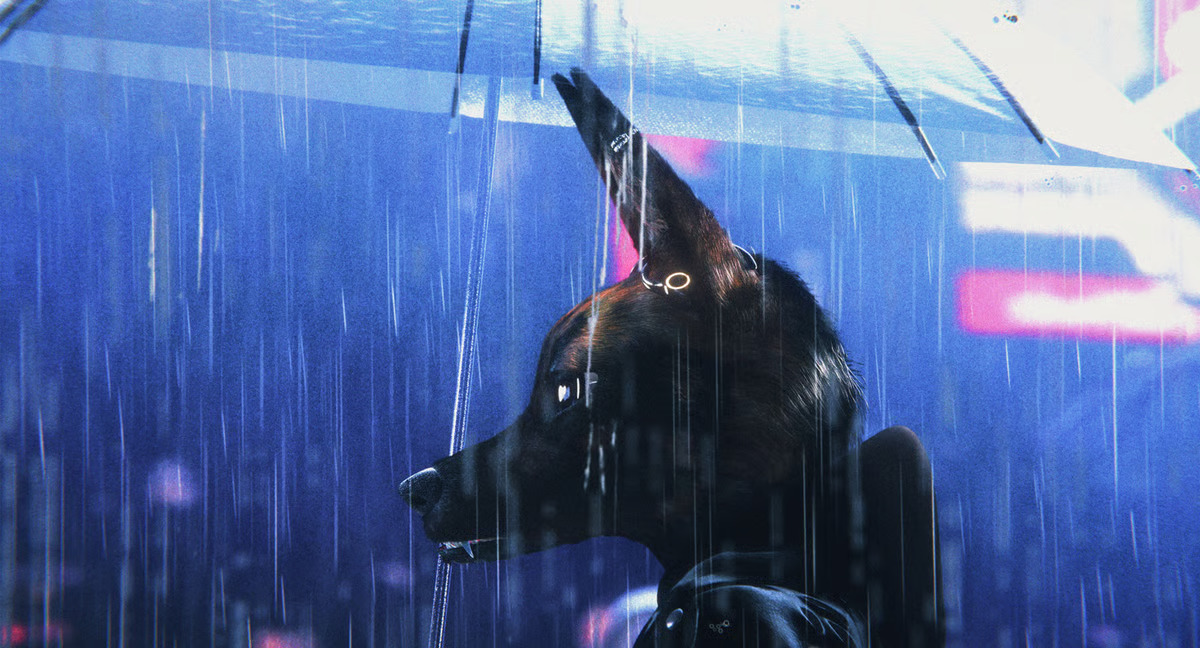
Matene Toure on Meriem Bennani’s and Orian Barki’s Bouchra (2025) and its complex exploration of queer identity and familial dynamics through an interweaving of fact, fiction and animation.

Ritual Remaking: Jackie Raynal’s Deux Fois (1968)
Yasmina Price on Jackie Raynal’s Deux fois and its exquisite corpse of formal experimentation and feminist reclamation of the cinematic space.

Sanaz Sohrabi’s An Incomplete Calendar: Rhymes and Songs for OPEC (2026)
Rebecka Öhrström Kann on Sanaz Sohrabi’s An Incomplete Calendar: Rhymes and Songs for OPEC and its histories of energy sovereignty and decolonial worldmaking, told through a collage of political and cultural material, ephemera and echos.

Liquid Visuality: Zhou Tao’s The Rib of the Greater Bay Area
Vedant Srinivas on Zhou Tao’s new film, The Rib of the Greater Bay Area and how his work presents ‘a topography in perpetual transformation, opening onto forms of perception rarely available to human experience.’
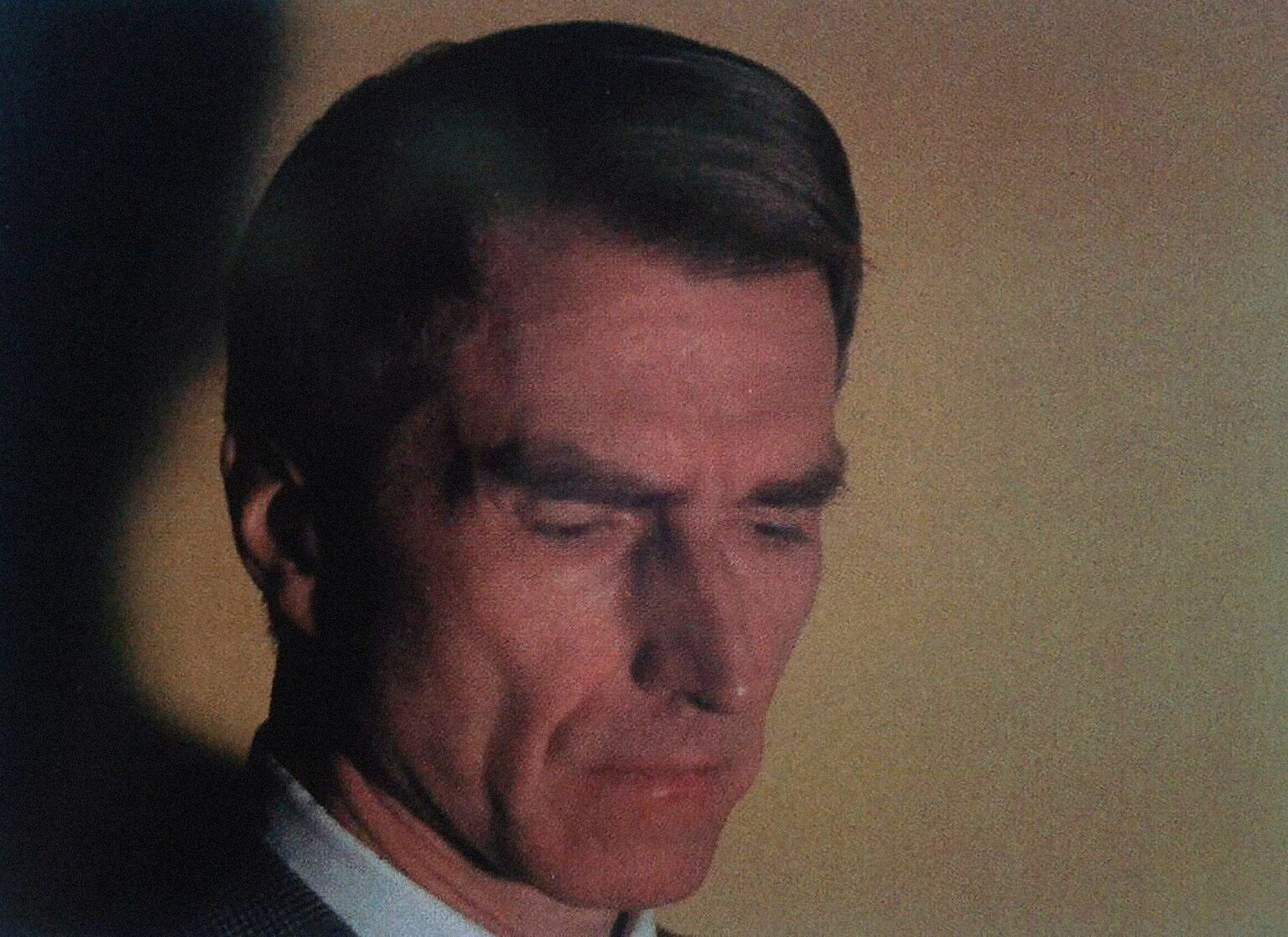
Resisting Death: On Gregory Markopoulos’ Galaxie
Joseph Dimacchia on Gregory Markopoulos’s Galaxie (1966), his complex portrait of the Greenwich Village art scene and rumination on the passage of time.
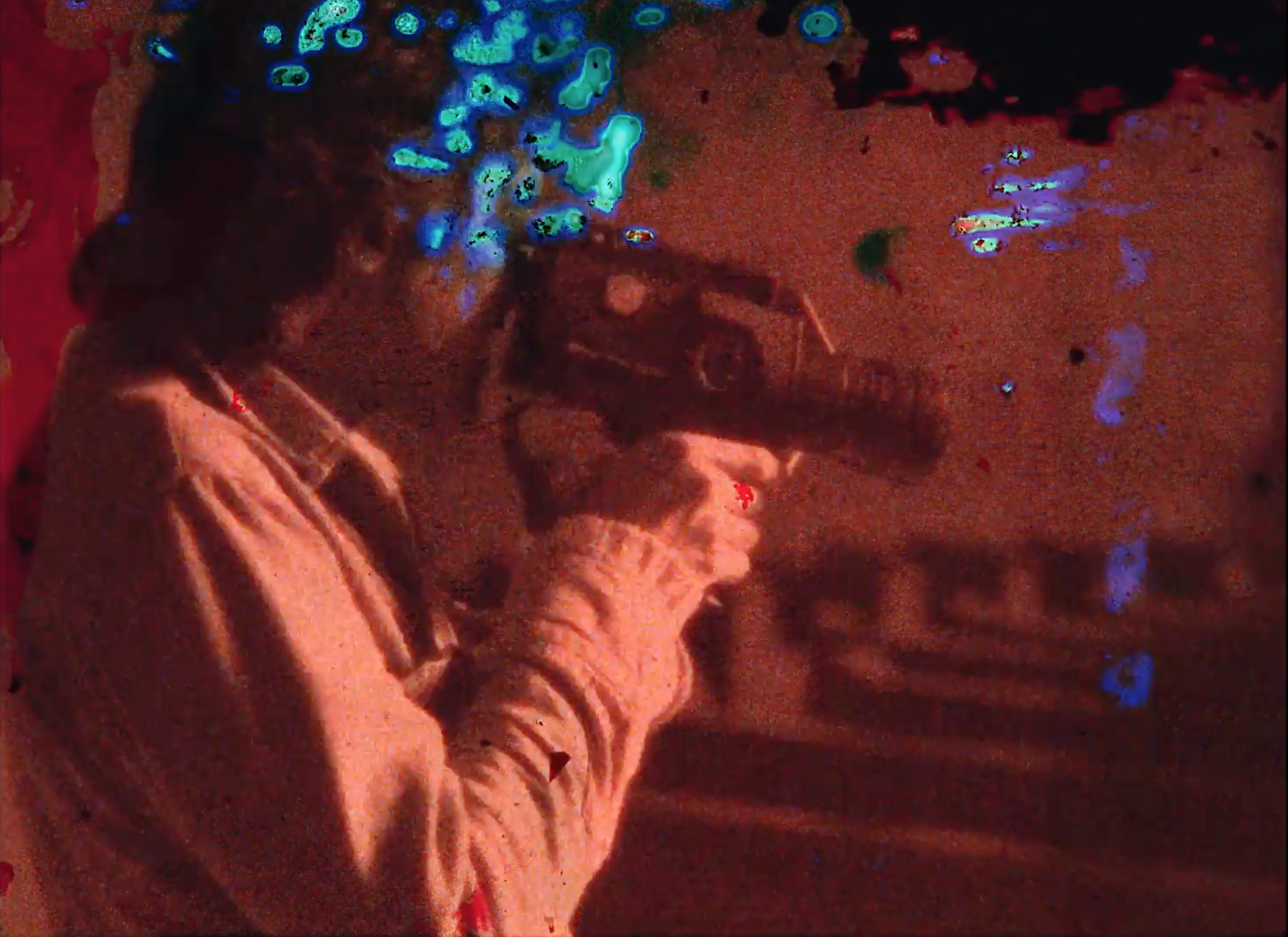
From Time to Time: Joseph Bernard and Super-8
Dean Kavanagh reflects on Joseph Bernard’s perceptual universe and the shifting nature and notions of the film image and its relationships with time, space, light and economics.

Translating ‘Farewell to the Highland Station’: An interview with Monika Uchiyama
Mako Fukata spoke with interpreter Monika Uchiyama about the process of creating English subtitles for Nobuo Nakagawa’s Farewell to the Highland Station (1951) and the rich and complex art of translation.
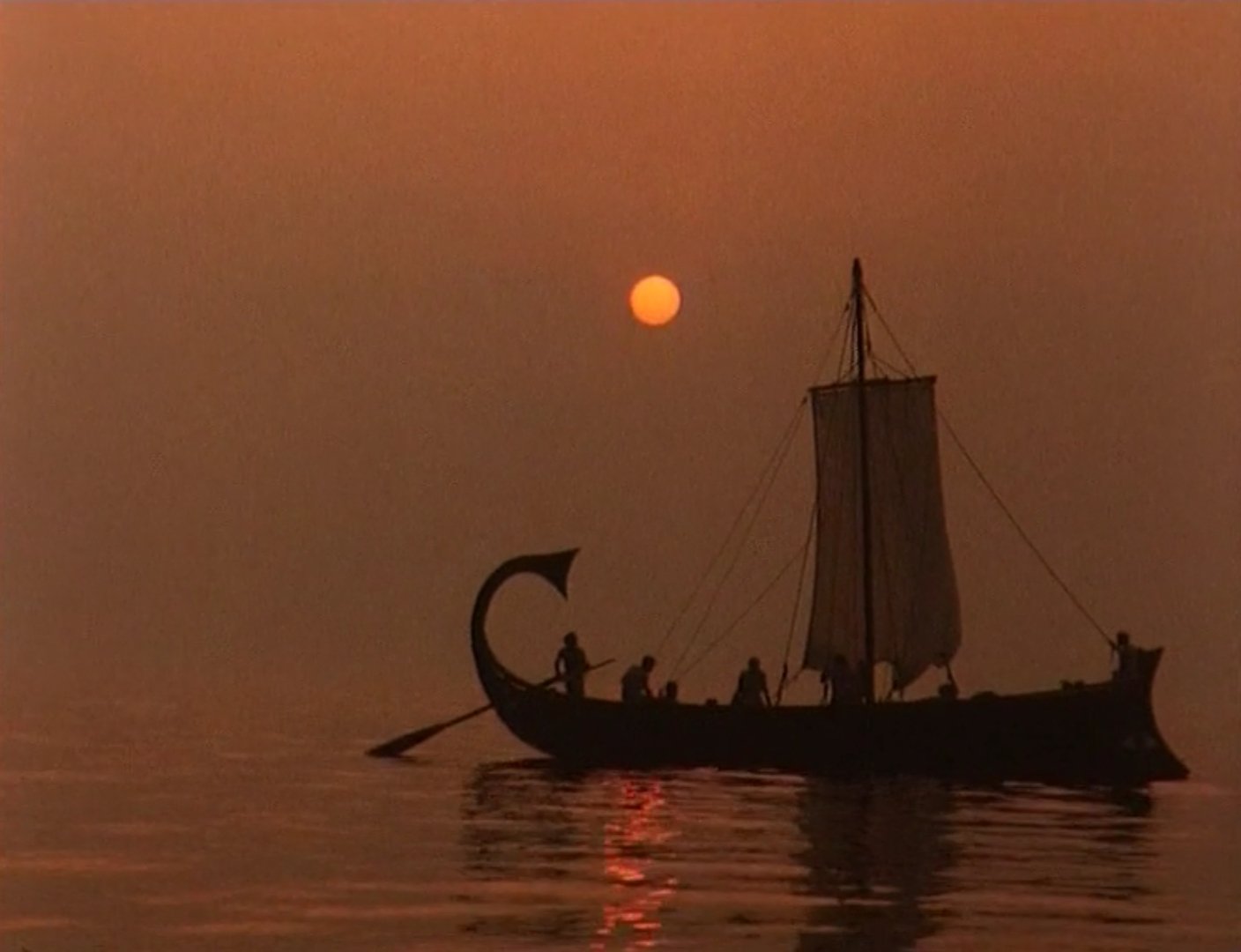
Nostos: A Lesson in Adaptation and Translation
Samuel Alexander on Franco Piavoli’s Nostos: Il Ritorno (1989), his mythopoetic and truly universal interpretation of The Odyssey.
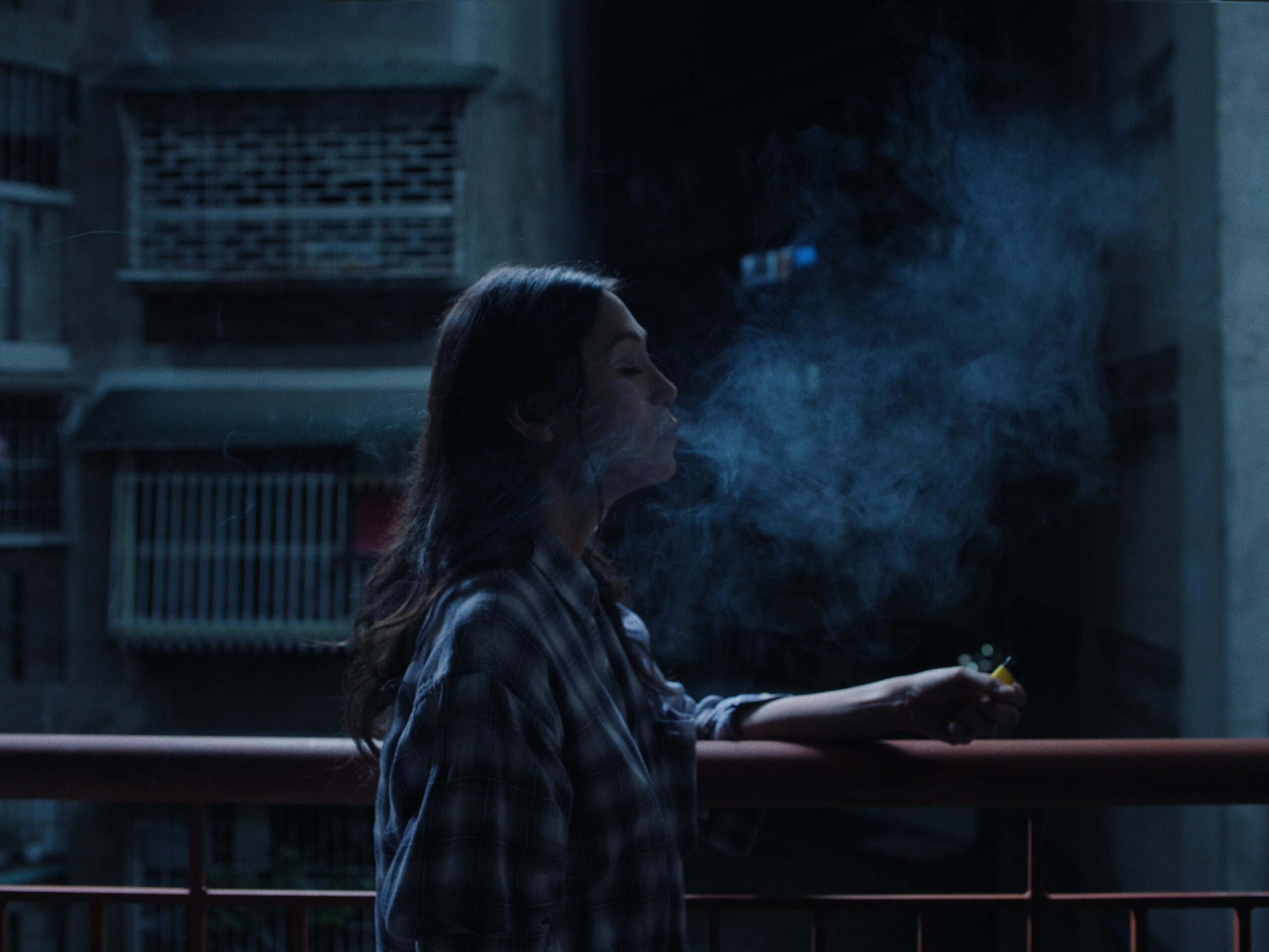
On the Edges of Desire: The Cinema of Isabel Sandoval
Lé Baltar on the cinema of Isabel Sandoval and her exploration of desire as a landscape brimming with the frissons, frictions and contradictions of gender politics and identity.

Towards an Infinite Cinema: An Interview with Isiah Medina
Stephen Kuster speaks with Isiah Medina on his latest film, Gangsterism and a wide range of topics, from Alain Badiou to making and thinking about cinema in an era of live-streamed genocide.